
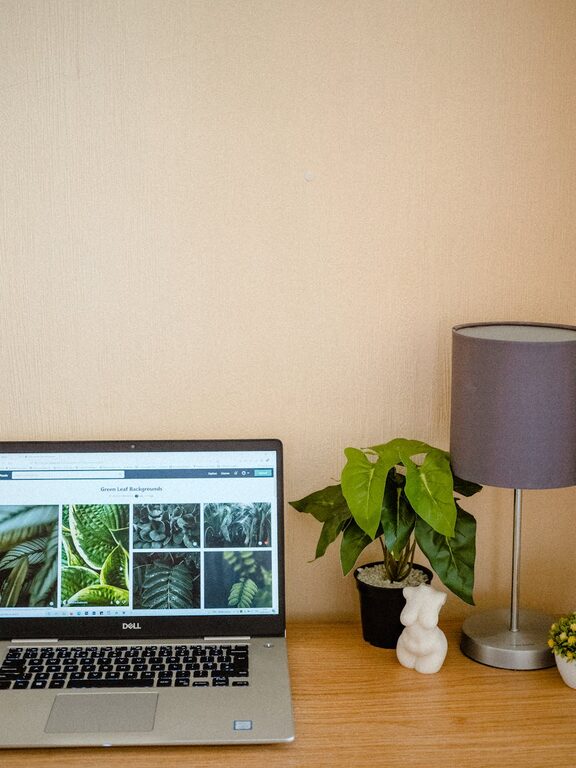
Creating a home workspace that is both cozy and functional can make a significant difference in your daily productivity and overall mood. Whether you work remotely, need a dedicated study area, or simply want a spot for managing household tasks, your workspace should be inviting and efficient. Here are practical tips to design a space that feels just right for you.
Choose the Right Location
The first step in creating a cozy and functional workspace is selecting the best spot in your home.
– Natural Light: Aim for a space near windows to benefit from natural light. Sunlight helps reduce eye strain and boosts your mood.
– Quiet and Private: Pick a location with minimal noise and interruptions to improve concentration.
– Space Availability: Even a small corner can work if organized well, so don’t worry if you don’t have a large area.
Invest in Comfortable Furniture
Comfort is key for a workspace where you’ll spend several hours.
– Ergonomic Chair: Choose a chair that supports good posture and reduces back strain.
– Appropriate Desk: Find a desk that fits your needs — enough surface area for your computer, documents, and supplies without cluttering.
– Consider Standing Options: If possible, a sit-stand desk helps alternate positions and promotes better health.
Optimize Lighting
Good lighting prevents fatigue and creates a pleasant environment.
– Layered Lighting: Combine ambient lighting with task lighting such as desk lamps.
– Warm Light Tones: Use bulbs with warm tones to create a cozy atmosphere rather than harsh white light.
– Adjustable Fixtures: Having adjustable lamps helps you focus light exactly where you need it.
Organize with Storage Solutions
Clutter can be distracting and stressful, so keep your workspace organized.
– Shelves and Cabinets: Use vertical space smartly for books, files, and supplies.
– Drawer Organizers: Keep small items like pens, chargers, and paper clips neatly separated.
– Cable Management: Use clips or sleeves to avoid tangled cords and keep surfaces tidy.
Add Personal Touches
Small decorative elements make your workspace inviting.
– Plants: Add greenery to improve air quality and reduce stress.
– Artwork or Photos: Display images that inspire or make you happy.
– Textiles: Use a comfortable rug or cushions to add warmth and softness.
Maintain a Comfortable Climate
Temperature and air quality affect focus and comfort.
– Ventilation: Ensure good airflow by opening windows or using fans.
– Heating or Cooling: Use heaters or air conditioners to maintain a consistent and comfortable temperature.
– Air Purifiers: Consider air purifiers to keep the environment fresh.
Minimize Distractions
Create boundaries to maintain productivity.
– Noise Control: Use noise-canceling headphones or white noise machines if needed.
– Clear Defined Space: Avoid placing your workspace in high-traffic areas.
– Set Work Hours: Communicate your schedule to family members or roommates.
Personalize Your Workflow Tools
Choose tools that support your daily tasks efficiently.
– Technology: Invest in a reliable computer, fast internet, and other necessary gadgets.
– Stationery: Keep high-quality notebooks, planners, and writing tools handy.
– Software: Use apps for time management, task tracking, and communication.
Keep It Flexible
Your needs might change, so having a flexible setup helps.
– Movable Furniture: Use lightweight or on-wheels furniture for easy rearrangement.
– Multi-Purpose Areas: Design your space to serve various functions, such as meetings and creative work.
– Regular Updates: Refresh your workspace periodically to keep it inspiring.
Practice Regular Tidying
A clean workspace fosters clear thinking.
– End-of-Day Routine: Spend a few minutes tidying your desk at the end of each workday.
– Declutter Often: Remove items you no longer need to maintain a clean environment.
– Digital Organization: Keep your computer files and desktop clean and well-organized.
—
Creating a cozy and functional home workspace is about balancing comfort, organization, and personalization. By carefully considering lighting, furniture, location, and your daily habits, you can design a space that not only looks inviting but also supports your productivity and well-being. Take these tips as a guide, and adjust them to fit your unique preferences and requirements. With a little effort, your home workspace can become your favorite place to work.
