
Creating a home office that is cozy yet productive can make a significant difference in how you approach your workday. Whether you’re working remotely full-time or occasionally tackling tasks from home, a well-designed workspace can boost your focus, creativity, and overall well-being. In this post, we’ll explore practical tips to help you create a home office space that balances comfort and efficiency.
1. Choose the Right Location
Selecting the ideal spot in your home is the first step toward a productive workspace.
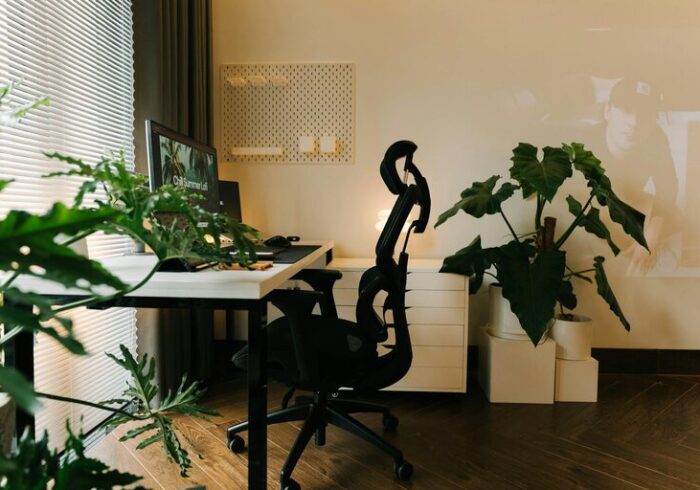
– Consider natural light: Try to position your desk near a window to benefit from natural daylight, which can enhance mood and reduce eye strain.
– Minimize distractions: Opt for a quiet area away from heavy foot traffic, busy rooms, or noisy appliances.
– Space availability: Make sure the space can accommodate your desk, chair, and any necessary equipment comfortably.
2. Invest in Ergonomic Furniture
Comfort is crucial for productivity and health when working long hours.
– Ergonomic chair: Select a chair that supports your lower back and allows your feet to rest flat on the floor.
– Adjustable desk: If possible, use a desk with adjustable height options to alternate between sitting and standing.
– Desk size: Ensure your desk has enough surface area for your computer, notebooks, and other essentials without feeling cramped.
3. Organize with Purpose
Clutter can hinder focus. Keeping your office organized helps maintain mental clarity.
– Storage solutions: Use shelves, drawers, and bins to keep supplies neatly tucked away.
– Desk organizers: Utilize trays, cups, and file holders to keep frequently used items within reach but tidy.
– Cable management: Use clips or sleeves to keep cords orderly and reduce visual clutter.
4. Personalize Your Environment
Adding personal touches can make your workspace inviting and inspiring.
– Art and photos: Hang or place pictures and artwork that uplift your mood.
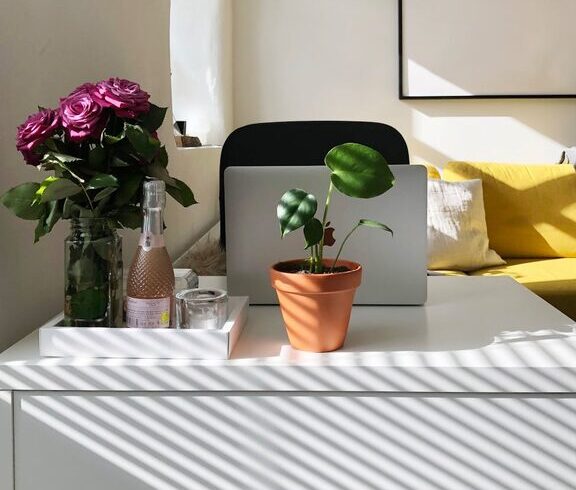
– Plants: Incorporate greenery to add life and improve air quality.
– Color: Choose soothing or motivating colors for your walls or accessories, based on your preferences.
5. Control Lighting
Proper lighting helps prevent eye strain and creates a warm ambiance.
– Ambient lighting: Use ceiling lights or lamps to provide general illumination.
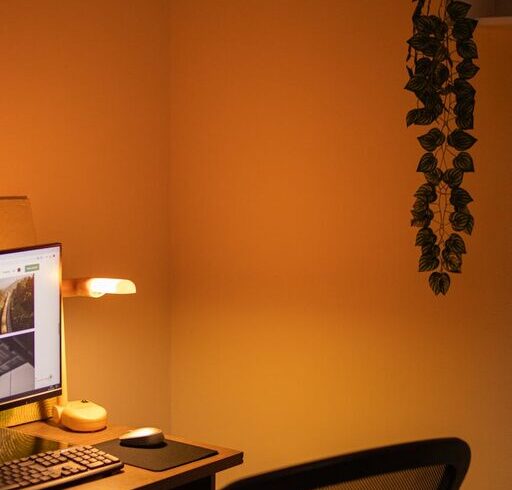
– Task lighting: Incorporate adjustable desk lamps focused on your work area for detailed tasks.
– Avoid glare: Position screens and lights to reduce reflections and glare.
6. Manage Noise Levels
A quiet environment supports concentration and reduces stress.
– Noise-cancelling headphones: These can block background noise when necessary.
– Soft furnishings: Rugs, curtains, and cushions can absorb sound.
– White noise: Consider using white noise machines or apps if ambient noise is unavoidable.
7. Maintain Good Air Quality and Temperature
Comfortable temperature and fresh air support sustained attention.
– Ventilation: Open windows when possible or use air purifiers to refresh the air.
– Temperature control: Use fans or heaters to adjust the room temperature according to your comfort.
– Humidity: Humidifiers can help if your home tends to be dry.
8. Establish a Routine and Boundaries
Your environment affects not just physical comfort but also work habits.
– Dedicated work hours: Set specific times to start and end your workday.
– Break space: Keep a spot nearby to take short breaks away from your desk.
– Communication: Let household members know your schedule to minimize interruptions.
9. Keep Technology Ready
Ensure your tech gear supports smooth and efficient workflow.
– Reliable internet: Position your office near your router or use Wi-Fi extenders for stable connectivity.
– Charging stations: Set up convenient places to charge laptops, phones, and other devices.
– Backup storage: Use cloud services or external drives to save important documents securely.
10. Refresh Your Space Periodically
Keeping your workspace fresh helps maintain motivation and comfort.
– Rearrange furniture: Changing the layout occasionally can provide a new perspective.
– Declutter: Regularly remove items you no longer need.
– Update décor: Add seasonal touches or swap art to keep your office feeling inviting.
—
Creating a cozy and productive home office is about balancing comfort, functionality, and personal style. By focusing on these areas—from location and furniture to lighting and routine—you can design a workspace that supports your best work and well-being every day. Take the time to customize your space thoughtfully, and enjoy the benefits of a home office that truly works for you.